
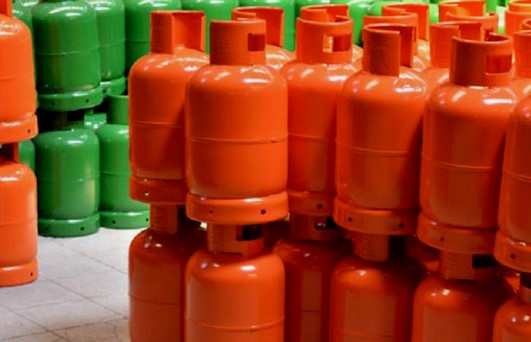
The Nigerian Midstream and Downstream Petroleum Regulatory Authority (NMDPRA) is taking firm and assertive actions to tackle profiteering in the liquefied petroleum gas (LPG) market as cooking-gas prices keep rising despite improved supply. Speaking at a gas emergency meeting called by the Minister of State for Petroleum Resources (Gas), NMDPRA CEO Rabiu Abdullahi Umar blamed wholesalers and retailers for deliberate price inflation and outlined regulatory steps to restore market discipline.
NMDPRA’s data show a marked rise in supply; average daily LPG deliveries climbed from 4,262 tonnes in May to 5,040 tonnes in June, and national stock cover improved from 11 days to 22 days. Yet consumer prices remain high across regions (about N1,066–N1,244/kg in the North and up to N1,177/kg in the South-West), which NMDPRA says proves manipulation in the distribution chain.
The regulator identified several structural causes that compound profiteering: global supply shocks from the Middle East, domestic processing and distribution shortfalls, inadequate storage and transport infrastructure, and a persistent domestic supply gap. NMDPRA highlighted that some locally produced LPG is being exported instead of sold domestically — notably, Chevron reportedly exported 100% of its LPG during the review period — worsening shortages and giving marketers cover to inflate prices.
To dismantle these distortions, NMDPRA has stepped up engagements with terminal operators, producers and suppliers and begun enforcement actions against exploitative pricing. Its policy mix includes issuing more import permits, enforcing domestic supply obligations, expanding storage capacity, and redirecting export-bound LPG into the local market. The authority also regards increased imports as the quickest way to ease prices while domestic processing projects scale up.
NMDPRA warns that if regulatory measures and efforts to close structural supply gaps fail to curb profiteering, many low-income households risk being priced out of LPG, undermining progress toward cleaner cooking fuel adoption.