
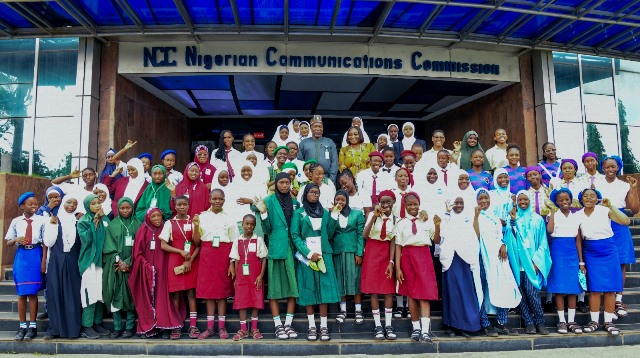
The Nigerian Communications Commission (NCC), through a Joint NCC‑Industry Committee, has opened a public consultation (June 19–July 9, 2026) on a proposal called the Zero‑Rated Data Access Project. The initiative aims to let millions of Nigerian students access approved educational and digital skills platforms without paying for data, addressing digital exclusion and supporting national development. The consultation follows President Bola Tinubu’s call for telcos to ensure “unhindered connectivity” to learning platforms.
The committee says the program’s main goal is to remove affordability barriers so students can access up‑to‑date digital education tools used globally. Objectives also include expanding access to digital learning resources, improving learning outcomes and digital literacy, encouraging affordable broadband for students and teachers, and upholding fair competition and net neutrality.
Two implementation models are under consideration:
- A single mobile‑friendly portal giving one‑click, zero‑rated access to approved resources.
- Telco whitelisting of approved educational and skills development websites so eligible users access them free.
Eligibility options being consulted on include restricting access to senior secondary and tertiary students, limiting it to public‑school students, including all students and teachers (public and private), starting with public schools then phasing in private institutions, or opening access to anyone using approved platforms. The committee stresses sustainability and asks stakeholders to propose financing ideas.
Registration would be required to prevent abuse and control access. The consultation defines qualifying content as structured digital materials for teaching, learning, skills development and assessment—examples include curriculum‑aligned resources, accredited e‑learning platforms recognized by the Federal Ministry of Education and exam bodies (WAEC, NECO), digital libraries, research repositories, teacher training platforms, and public exam resources. Suggested platforms for curated access include Google Classroom, Coursera, the Nigerian Virtual Library and the Nigeria Learning Passport. Social media, streaming/entertainment, general browsing sites, data‑harvesting apps, user‑generated content without moderation, and mixed-purpose platforms without clear separation would be excluded.
Funding and sustainability options proposed include the Universal Service Provision Fund, government subsidies, development partners, public‑private partnerships, and cost‑sharing among telecom and education stakeholders. One proposal offers beneficiaries free access for an initial 12 months with a daily data limit, followed by six‑monthly reviews; the program could later shift to low‑cost educational data bundles to avoid permanently discouraging network investment.
Regulatory concerns raised include potential conflicts with net neutrality (since zero‑rating favours selected content) and risks of anti‑competitive behaviour if dominant telcos favour their own services. The committee asked for safeguards to prevent market distortion. It also recommends that platforms be optimized for low bandwidth, support offline learning, be disability‑friendly, offer local‑language content, and work on low‑cost devices. Monitoring should use indicators such as active users, data consumption, geographic reach, gender inclusion, teacher uptake, exam performance and misuse cases. Stakeholders are asked to submit evidence‑based comments and financing proposals by July 9 to help design a sustainable framework.