

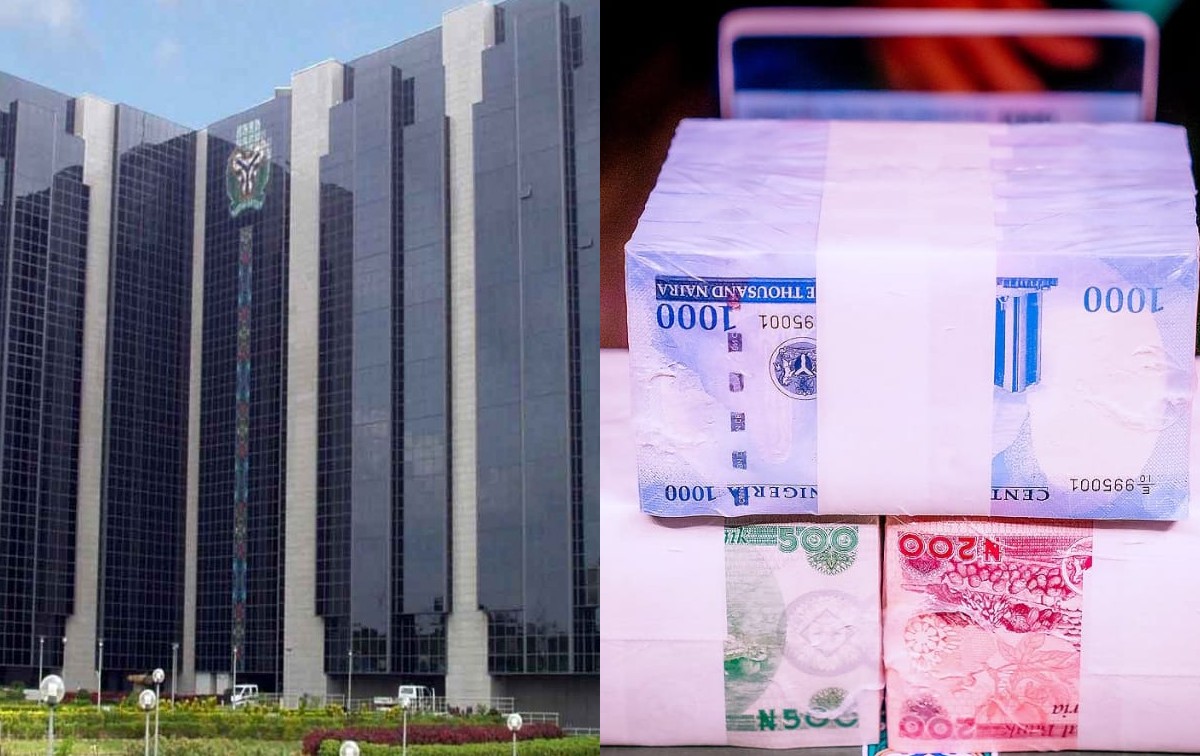
The Central Bank of Nigeria (CBN) aggressively withdrew N4.11 trillion from the banking system in one week via two Open Market Operations (OMO) auctions on March 23 and 27, 2026, as confirmed by data from the bank’s website. This action mopped up N2.357 trillion and N1.753 trillion respectively, amid high opening balances of N716 billion for banks and discount houses, signaling persistent excess liquidity despite N2.985 trillion in offsetting inflows, for a net drain of N1.125 trillion.
Banks parked massive sums at the CBN’s Standing Deposit Facility (SDF)—peaking at N8.551 trillion—drawn by rates above 22%, diverting funds from lending. In Q1 of 2026, the CBN has absorbed over N13 trillion via OMO, Treasury bills, and SDF, yet liquidity often rebounds above N8 trillion due to maturing securities.
Analysts caution that while this action curbs inflation, excessive sterilization hampers growth by raising borrowing costs for businesses, potentially fueling price hikes without boosting output. Experts like Olubunmi Ayokunle of Augusto & Co. argue that economies need some inflation for expansion, urging funds toward infrastructure and manufacturing, while Blakey Ijezie warns high Monetary Policy Rates contradict Nigeria’s N1 trillion economy goal by 2030 under President Tinubu. Balancing tightening with productive lending remains key.