The Nigerian Civil Aviation Authority (NCAA) has intensified efforts to strengthen Nigeria’s aviation safety oversight system ahead of the upcoming ICAO validation exercise scheduled for April 15–22, 2026.
On February 16, 2026, the Director-General of Civil Aviation, Capt. Chris Najomo, received a Regional Office Safety Team (ROST) from the International Civil Aviation Organization Western and Central African Office (WACAF) in Abuja. The visit marked the start of a technical assistance mission designed to help Nigeria enhance its compliance with international aviation safety standards in preparation for the ICAO International Coordinated Validation Mission (ICVM).
Speaking during the meeting, Capt. Najomo described the engagement as a significant milestone in the NCAA’s ongoing drive toward global best practices. He stressed that ICAO audits and support missions are not about grading countries but about improving safety performance, reinforcing regulatory systems, and ensuring adherence to international benchmarks.
The NCAA, he noted, has taken previous audit findings seriously by developing and implementing ICAO-validated Corrective Action Plans. The current ROST mission is focusing on four priority areas where the highest numbers of outstanding protocol questions were identified: Personnel Licensing, Flight Operations, Air Navigation Services, and Aerodromes and Ground Aids.
Reflecting on Nigeria’s performance in the 2023 ICAO Universal Safety Oversight Audit Program (USOAP) Continuous Monitoring Approach, where the country achieved an Effective Implementation score of 70.12%, the DGCA expressed appreciation to the ICAO WACAF leadership for their continued collaboration and support. He reaffirmed the NCAA’s commitment to addressing all recommendations ahead of the validation mission.
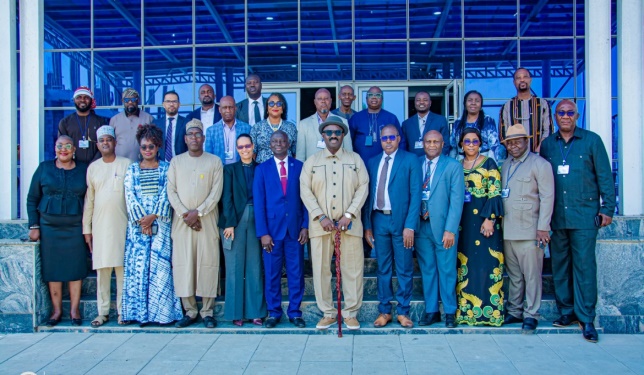
Leading the ICAO delegation, Kebba Lamin Jammeh clarified that the exercise is a support mission rather than a formal audit and encouraged transparency and cooperation from all stakeholders. The meeting was attended by senior NCAA officials, representatives of the Nigerian Safety Investigation Bureau, other aviation agencies, and experts from the Banjul Accord Group Aviation Safety Oversight Organization.