

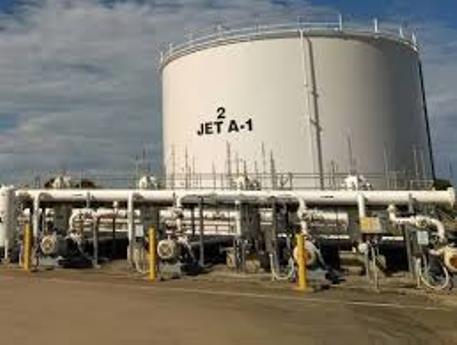
The Nigerian Midstream and Downstream Petroleum Regulatory Authority (NMDPRA) data show that domestic refineries have fully replaced imported Aviation Turbine Kerosene (Jet A-1) between June 2025 and June 2026. NMDPRA’s records indicate Oil Marketing Companies reported zero aviation fuel imports during that 13‑month period, making local producers the sole suppliers.
NMDPRA’s statistics also reveal wide swings in refinery receipts: daily supplies climbed from 1.3 million liters in June 2025 to 3.5 million liters in August, dropped to 1.6 million in September, surged to a record 14 million in December 2025, then eased to 6.0 million in January 2026 and 1.6 million in February. Despite those fluctuations, NMDPRA notes domestic consumption remained relatively steady, averaging about 2.9 million liters per day, close to Nigeria’s three‑million‑liter benchmark, based on volumes trucked into the market.
NMDPRA frames the end of imports as evidence of the growing contribution of rehabilitated and new refineries to national energy security. The regulator’s data suggest local production is now capable of meeting aviation fuel needs, reducing airlines’ exposure to exchange‑rate swings, high logistics costs, and import disruptions. However, NMDPRA’s figures also highlight risks: large monthly receipt swings; from 14 million liters per day in December 2025 to 2.5 million in June 2026, underscore the importance of sustained, stable output to support the aviation sector.
The regulator’s report comes as Jet A‑1 prices climbed sharply in early 2026 (from ₦900 per liter in January to ₦2,557 in March), pressuring airlines whose fuel bill is about 40% of operating costs to raise fares. NMDPRA’s data therefore both celebrate the reduced reliance on imports and flag the need for consistent domestic refinery performance to ensure long‑term supply stability.